Month: July 2023

VVS Laxman

VVS Laxman – Cricketing Career

Information Details
Name VVS Laxman
Player Type Batsman
Date of Birth November 1, 1974
Father’s Name Shantaram Laxman
Birthplace Hyderabad, India
Career Starting Date August 18, 1996
Retirement Date August 18, 2012
Matches Played 86 (ODIs), 134 (Tests), 1 (T20)
Centuries 6 (ODIs), 17 (Tests), 0 (T20)
Half Centuries 46 (ODIs), 56 (Tests), 0 (T20)
Ducks 6 (ODIs), 6 (Tests), 0 (T20)
Nervous Nineties 3 (ODIs), 8 (Tests), 0 (T20)
Wickets 4 (ODIs), 1 (Tests), 0 (T20)
Captainship in Matches 6 (ODIs), 1 (Tests), 0 (T20)
Man of the Matches 2 (ODIs), 9 (Tests), 0 (T20)

Biography:

Vangipurapu Venkata Sai Laxman, popularly known as VVS Laxman, was born on November 1, 1974, in Hyderabad, India, to Shantaram Laxman. He is regarded as one of India’s most elegant and stylish batsmen, known for his silken stroke play and his ability to play under pressure. Laxman’s cricketing journey began in 1996 when he made his debut for the Indian cricket team.

VVS Laxman was an artist with the bat, and his wristy flicks and impeccable timing earned him the nickname “Very Very Special” Laxman. He was known for his ability to rescue the team from difficult situations and play match-winning innings. His most iconic innings came in 2001, when he scored a breathtaking 281 against Australia in Kolkata, leading India to a remarkable victory after following on.

In his illustrious career, Laxman played 86 ODIs, 134 Test matches, and 1 T20 match. He scored 6 centuries and 46 half-centuries in ODIs, and an impressive 17 centuries and 56 half-centuries in Test matches. While he faced some nervous moments in the nineties, Laxman’s composure often helped him overcome them and convert those into big scores.

Apart from his batting prowess, Laxman was a part-time off-spinner and took 4 wickets in ODIs and 1 wicket in Test matches. He had brief stints as a captain in both ODIs and Tests.

His impactful performances often earned him the “Man of the Match” award, and he received this honor 2 times in ODIs and 9 times in Test matches.

World Records:

VVS Laxman’s impact on Indian cricket and his remarkable achievements have earned him several world records. Below are some of the notable records held by him in cricket:

Category Records
Test Matches Highest individual score for India in Test cricket (281 runs vs. Australia)
Test Matches Highest individual score in a Test match in the fourth innings to win a match (73* runs vs. Australia)

Brand Endorsements:

VVS Laxman’s elegance and flair on the cricket field made him a respected and admired personality in the world of cricket. While he was not extensively involved in brand endorsements, he was associated with brands that valued his grace and cricketing prowess. Laxman’s impact on Indian cricket and his contributions to some of India’s most memorable victories have earned him immense love and admiration from cricket enthusiasts.

After retiring from international cricket, VVS Laxman continued to be connected with the sport as a cricket commentator and mentor. His legacy as one of India’s most stylish batsmen and his ability to perform under pressure have left an indelible mark on the game of cricket.
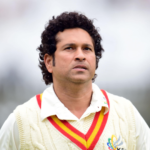
Sourav Ganguly

Sourav Ganguly – Cricketing Career

Information Details
Name Sourav Ganguly
Player Type Batsman
Date of Birth July 8, 1972
Father’s Name Chandidas Ganguly
Birthplace Kolkata, India
Career Starting Date January 11, 1992
Retirement Date November 10, 2008
Matches Played 311 (ODIs), 113 (Tests), 1 (T20)
Centuries 22 (ODIs), 16 (Tests), 0 (T20)
Half Centuries 72 (ODIs), 35 (Tests), 0 (T20)
Ducks 16 (ODIs), 17 (Tests), 0 (T20)
Nervous Nineties 8 (ODIs), 6 (Tests), 0 (T20)
Wickets 100 (ODIs), 32 (Tests), 1 (T20)
Captainship in Matches 147 (ODIs), 49 (Tests), 1 (T20)
Man of the Matches 31 (ODIs), 6 (Tests), 0 (T20)

Biography:

Sourav Ganguly, affectionately known as “Dada” or the “Prince of Kolkata,” was born on July 8, 1972, in Kolkata, India, to Chandidas Ganguly. He is one of India’s most iconic and influential cricket captains, known for his aggressive and fearless style of play. Ganguly’s cricketing journey began in 1992 when he made his debut for the Indian cricket team.

Sourav Ganguly was a stylish left-handed batsman and a natural leader on the field. He was responsible for instilling a sense of aggression and self-belief in the Indian team during his captaincy tenure. Under his leadership, India achieved several notable victories and made significant progress in international cricket.

In his illustrious career, Ganguly played 311 ODIs, 113 Test matches, and 1 T20 match. He scored 22 centuries and 72 half-centuries in ODIs, and 16 centuries and 35 half-centuries in Test matches. While he faced some nervous moments in the nineties, Ganguly’s fearless approach often helped him convert those into big scores.

Apart from his batting prowess, Ganguly was a handy medium-pace bowler and took 100 wickets in ODIs, 32 wickets in Tests, and 1 wicket in T20 matches. He was also a successful captain, leading the Indian team in 147 ODIs, 49 Test matches, and 1 T20 match.

His impactful performances often earned him the “Man of the Match” award, and he received this honor 31 times in ODIs and 6 times in Test matches.

World Records:

Sourav Ganguly’s impact on Indian cricket and his remarkable achievements have earned him several world records. Below are some of the notable records held by him in cricket:

Category Records
One Day Internationals (ODIs) Highest individual score for India in ODIs (183 runs vs. Sri Lanka)
Test Matches First cricketer to score a century in Test cricket at Lord’s on debut (131 runs vs. England)
Test Matches Most run as an Indian captain in Test matches (3,388 runs)
Test Matches Most centuries by an Indian captain in Test matches (9 centuries)

Brand Endorsements:

Sourav Ganguly’s charismatic personality and strong leadership qualities made him a popular and marketable personality in the world of cricket. He was associated with several brands across various sectors, including sports gear, consumer goods, and more. Ganguly’s impact on Indian cricket and his role as a mentor and administrator after retirement has earned him immense respect from cricket fans and the cricketing fraternity.

After retiring from international cricket, Sourav Ganguly remained actively involved in the sport as a commentator and cricket administrator. His legacy as one of India’s finest cricket captains and a dynamic left-handed batsman continues to inspire the next generation of cricketers.

Virender Sehwag

Virender Sehwag – Cricketing Career

Information Details
Name Virender Sehwag
Player Type Batsman
Date of Birth October 20, 1978
Father’s Name Krishan Sehwag
Birthplace Delhi, India
Career Starting Date April 1, 1999
Retirement Date October 20, 2015
Matches Played 251 (ODIs), 104 (Tests), 19 (T20)
Centuries 15 (ODIs), 23 (Tests), 2 (T20)
Half Centuries 38 (ODIs), 32 (Tests), 4 (T20)
Ducks 11 (ODIs), 15 (Tests), 1 (T20)
Nervous Nineties 7 (ODIs), 8 (Tests), 0 (T20)
Wickets 96 (ODIs), 40 (Tests), 6 (T20)
Captainship in Matches 12 (ODIs), 4 (Tests), 0 (T20)
Man of the Matches 13 (ODIs), 6 (Tests), 0 (T20)

Biography:

Virender Sehwag, famously known as the “Nawab of Najafgarh,” was born on October 20, 1978, in Delhi, India, to Krishan Sehwag. He is one of India’s most explosive and fearless opening batsmen, known for his aggressive and attacking style of play. Sehwag made his international debut in One Day Internationals (ODIs) on April 1, 1999, and later became a key member of the Indian cricket team in all formats.

Sehwag was a destructive batsman who had the ability to take on any bowling attack with his fearless approach. He was particularly known for his blazing stroke play and his ability to score runs quickly. Sehwag’s highest point in his career came when he scored a breathtaking 309 runs against Pakistan in Multan in 2004, becoming the first Indian to score a triple century in Test cricket.

In his illustrious career, Sehwag played 251 ODIs, 104 Test matches, and 19 T20 matches. He scored 15 centuries and 38 half-centuries in ODIs, and an impressive 23 centuries and 32 half-centuries in Test matches. While he had a few occasions where he fell short in the nineties, Sehwag’s fearless attitude made him one of the most entertaining batsmen to watch.

Apart from his batting prowess, Sehwag was a handy part-time off-spinner and took 96 wickets in ODIs, 40 wickets in Tests, and 6 wickets in T20 matches. He also had brief stints as a captain in both ODIs and Tests.

His impactful performances often earned him the “Man of the Match” award, and he received this honor 13 times in ODIs and 6 times in Test matches.

World Records:

Below are some of the notable world records held by Virender Sehwag in cricket:

Category Records
Test Matches First Indian to score a triple century in Test cricket (309 vs. Pakistan)
Test Matches Fastest triple century (278 balls) in Test cricket
Test Matches Second-highest individual score in Test cricket (319 vs. South Africa)

Brand Endorsements:

Virender Sehwag’s aggressive and entertaining style of play made him a popular and marketable personality in the world of cricket. He was associated with several brands across various sectors, including sports gear, consumer goods, and more. His fearless and bold image resonated well with the audience, and he was a sought-after personality for brand endorsements.

Sehwag’s contribution to Indian cricket and his impact on the game’s popularity in the country earned him immense love and admiration from cricket enthusiasts. Even after retiring from international cricket, he remained connected to the sport as a commentator and mentor. His legacy as one of India’s most celebrated opening batsmen continues to inspire the next generation of cricketers.

Anil Kumble

Anil Kumble – Cricketing Career

Information Details
Name Anil Kumble
Player Type Bowler
Date of Birth October 17, 1970
Father’s Name Krishna Swamy
Birthplace Bangalore, India
Career Starting Date April 25, 1990
Retirement Date November 2, 2008
Matches Played 271 (ODIs), 132 (Tests), 1 (T20)
Centuries 0 (ODIs), 1 (Tests), 0 (T20)
Half Centuries 4 (ODIs), 5 (Tests), 0 (T20)
Ducks 29 (ODIs), 20 (Tests), 0 (T20)
Nervous Nineties N/A
Wickets 337 (ODIs), 619 (Tests), 1 (T20)
Captaincy in Matches 12 (Tests)
Man of the Matches 5 (ODIs), 4 (Tests), 0 (T20)

Biography:

Anil Kumble, India’s iconic leg-spinner, was born on October 17, 1970, in Bangalore, India, to Krishna Swamy. He is regarded as one of the finest bowlers to have played for India and a true match-winner. Kumble’s cricketing journey began in 1990 when he made his debut for the Indian cricket team.

Anil Kumble was known for his unerring accuracy, relentless work ethic, and ability to extract sharp turn and bounce from the pitch. He was a genuine match-winner in both Test and ODI formats. Kumble’s most memorable performance came during the 1999 Test series against Pakistan when he took all 10 wickets in a single innings, becoming only the second bowler in Test history to achieve this feat.

Throughout his illustrious career, Kumble played 271 ODIs, 132 Test matches, and 1 T20 match. While he was primarily known for his bowling, Kumble also contributed with the bat on numerous occasions, scoring 4 half-centuries in ODIs and 5 half-centuries in Tests.

He took an impressive 337 wickets in ODIs and remains the highest wicket-taker for India in this format. In Test matches, Kumble claimed a remarkable 619 wickets, making him the highest wicket-taker for India and the third-highest overall at the time of his retirement.

Kumble also led the Indian team in 12 Test matches, showing his leadership skills and determination on the field. He received the “Man of the Match” award 5 times in ODIs and 4 times in Test matches.

World Records:

Below are some of the notable world records held by Anil Kumble in cricket:

Category Records
Test Matches The only bowler to take all 10 wickets in a Test inning (vs. Pakistan, 1999)
Test Matches Highest wicket-taker for India in Test matches (619 wickets)
One Day Internationals (ODIs) Highest wicket-taker for India in ODIs (337 wickets)

Brand Endorsements:

Anil Kumble, with his disciplined and determined approach to the game, earned a respectable image both on and off the field. He was associated with brands that valued his integrity and commitment. While not extensively involved in brand endorsements, Kumble’s impact on Indian cricket and his role as a mentor and coach after retirement has earned him immense respect from cricket fans and the cricketing fraternity.

After retiring from international cricket, Anil Kumble continued to contribute to the sport by taking on coaching roles and serving as a mentor to young cricketers. His dedication and passion for the game have made him an inspiration to aspiring cricketers across the country.

Rahul Dravid

Rahul Dravid – Cricketing Career

Information Details
Name Rahul Dravid
Player Type Batsman
Date of Birth January 11, 1973
Father’s Name Sharad Dravid
Birthplace Indore, India
Career Starting Date April 3, 1996
Retirement Date March 9, 2012
Matches Played 344 (ODIs), 164 (Tests), 1 (T20)
Centuries 12 (ODIs), 36 (Tests), 0 (T20)
Half Centuries 83 (ODIs), 63 (Tests), 1 (T20)
Ducks 13 (ODIs), 8 (Tests), 0 (T20)
Nervous Nineties 10 (ODIs), 10 (Tests), 0 (T20)
Wickets 4 (ODIs), 1 (Tests), 0 (T20)
Captaincy in Matches 79 (ODIs), 25 (Tests), 1 (T20)
Man of the Matches 14 (ODIs), 8 (Tests), 0 (T20)

Biography:

Rahul Dravid, known as “The Wall” for his solid defensive technique, was born on January 11, 1973, in Indore, India, to Sharad Dravid. He is one of India’s most dependable and technically proficient batsmen. Dravid made his international debut in One Day Internationals (ODIs) on April 3, 1996, and later went on to become one of the stalwarts of Indian cricket in both Test and ODI formats.

Rahul Dravid was the epitome of concentration and patience at the crease. His ability to occupy the crease for long periods and bat with remarkable discipline earned him the admiration of fans and opponents alike. He was a key member of the Indian team’s batting lineup and played several memorable innings during his career.

In his illustrious career, Dravid played 344 ODIs, 164 Test matches, and 1 T20 match. He scored 12 centuries and 83 half-centuries in ODIs, and an impressive 36 centuries and 63 half-centuries in Test matches. Although he faced some nervous moments in the nineties, Dravid managed to overcome them and achieved a reputation for being one of the most reliable and consistent batsmen.

Dravid also contributed as a part-time bowler and took 4 wickets in ODIs and 1 wicket in Test matches. He was a trusted leader and captained the Indian team in 79 ODIs, 25 Test matches, and 1 T20 match.

His remarkable performances often earned him the “Man of the Match” award, and he received this honor 14 times in ODIs and 8 times in Test matches.

World Records:

Despite being known for his consistency and dependability, Rahul Dravid did not hold many world records. However, his contribution to Indian cricket was invaluable, and he earned numerous records for his country. Below are some of his notable records:

Category Records
Most Catches in Test Cricket Held the record for most catches by a non-wicketkeeper in Test cricket
Most Runs in Test Cricket for India Scored 13,288 runs in 164 Test matches for India

Brand Endorsements:

Rahul Dravid, with his gentlemanly demeanor and solid cricketing skills, earned respect and admiration both on and off the field. While he was not as extensively involved in brand endorsements as some other cricketers, he was associated with brands that aligned with his image of integrity and reliability.

Dravid’s impact on Indian cricket and his contribution to the sport’s growth in the country earned him immense love from cricket enthusiasts. After retiring from the game, he continued to be associated with cricket, serving as a coach and mentor. His influence on the younger generation of cricketers continues to inspire and shape the future of Indian cricket.

Kapil Dev

Kapil Dev – Cricketing Career

Information Details
Name Kapil Dev
Player Type All-rounder
Date of Birth January 6, 1959
Father’s Name Ram Lal Nikhanj
Birthplace Chandigarh, India
Career Starting Date October 16, 1978
Retirement Date March 4, 1994
Matches Played 225 (ODIs), 131 (Tests), 4 (T20)
Centuries 1 (Tests)
Half Centuries 14 (Tests)
Ducks 23 (Tests)
Nervous Nineties N/A
Wickets 253 (ODIs), 434 (Tests), 4 (T20)
Captaincy in Matches 74 (ODIs), 34 (Tests)
Man of the Matches 23 (ODIs), 7 (Tests), 0 (T20)

Biography:

Kapil Dev Nikhanj, popularly known as Kapil Dev, was born on January 6, 1959, in Chandigarh, India, to Ram Lal Nikhanj. He is one of India’s cricketing legends and an iconic all-rounder who made a significant impact on the sport during his illustrious career. Kapil Dev’s cricketing journey began in 1978 when he made his debut for the Indian cricket team.

Kapil Dev was a versatile all-rounder who could bat aggressively and bowl pace with great skill. His most memorable achievement came during the 1983 Cricket World Cup when he led the Indian team to victory, lifting the coveted trophy for the first time in India’s cricketing history.

Throughout his career, Kapil played 225 One Day Internationals (ODIs), 131 Test matches, and 4 T20 matches. He was a reliable middle-order batsman and scored a century and 14 half-centuries in Test matches. He bowled with great effect and took 253 wickets in ODIs and a remarkable 434 wickets in Test matches.

Kapil Dev also had the distinction of captaining the Indian team in 74 ODIs and 34 Test matches. His leadership was instrumental in instilling a fighting spirit in the team.

He was a dynamic player who often led from the front, and this was reflected in the numerous “Man of the Match” awards he received – 23 in ODIs and 7 in Test matches.

World Records:

Below are some of the notable world records held by Kapil Dev in cricket:

Category Records
One Day Internationals (ODIs) Highest wicket-taker (253) for India in ODIs
Test Matches Highest wicket-taker (434) for India in Test matches
Fastest to 4000 runs and 100 wickets Achieved the feat in 74 Test matches

Brand Endorsements:

Kapil Dev’s stellar performances on the cricket field and his charismatic personality made him a sought-after personality for brand endorsements during his playing days. He was associated with various brands, ranging from sports equipment to consumer goods. His image as a strong and spirited leader made him a natural choice for brands seeking to resonate with the Indian audience.

Kapil Dev’s impact on Indian cricket and his significant contributions to the sport earned him immense respect and admiration. Even after retiring from cricket, he remained actively involved in the game and took on roles as a coach and mentor. His legacy continues to inspire generations of cricketers in India and around the world.

Sunil Gavaskar

Sunil Gavaskar – Cricketing Career

Information Details
Name Sunil Gavaskar
Player Type Batsman
Date of Birth July 10, 1949
Father’s Name Manohar Gavaskar
Birthplace Bombay (now Mumbai), India
Career Starting Date March 6, 1971
Retirement Date March 13, 1987
Matches Played 125 (Tests)
Centuries 34 (Tests)
Half Centuries 45 (Tests)
Ducks 12 (Tests)
Nervous Nineties 8 (Tests)
Wickets 1 (Tests)
Captaincy in Matches 47 (Tests)
Man of the Matches 9 (Tests)

Biography:

Sunil Gavaskar, one of India’s legendary cricketers, was born on July 10, 1949, in Bombay (now Mumbai), India, to Manohar Gavaskar. He is often hailed as one of the finest opening batsmen in the history of Test cricket. Gavaskar’s cricketing journey began in 1971 when he made his debut for the Indian cricket team against the West Indies.

Sunil Gavaskar was a technically sound and disciplined batsman who possessed remarkable patience and the ability to play long innings. He was known for his ability to tackle some of the most fearsome fast bowlers of his time with great composure. Gavaskar’s prolific Test career spanned from 1971 to 1987, during which he played 125 Test matches.

In his illustrious Test career, Gavaskar scored 34 centuries and 45 half-centuries, solidifying his reputation as a dependable run-scorer. However, he faced a few challenges with nervousness in the nineties, resulting in 8 instances where he got dismissed in the nineties.

Apart from his batting exploits, Gavaskar bowled part-time off-spin and claimed a single wicket in Test cricket. He also captained the Indian team in 47 Test matches, leading them with distinction.

Throughout his career, Gavaskar’s consistent performances earned him nine “Man of the Match” awards in Test matches.

World Records:

Below are some of the notable world records held by Sunil Gavaskar in Test cricket:

Category Records
Test Matches First cricketer to score 10,000 Test runs
Overall Test Runs Scored 10,122 runs in 125 Test matches at an average of 51.12
Most Centuries against West Indies Scored 13 centuries against the West Indies in Test matches
Most Man of the Match Awards Received 9 “Man of the Match” awards in Test matches

Brand Endorsements:

Sunil Gavaskar’s contribution to Indian cricket and his stature as a cricketing icon made him a sought-after personality for brand endorsements during his playing days. While brand endorsements during his era were not as extensive as they are today, Gavaskar endorsed products and brands that aligned with his clean and respectable image.

His association with brands added to his popularity both on and off the field, making him a beloved figure among cricket enthusiasts and fans across the country.

Sunil Gavaskar’s remarkable achievements on the cricket field and his contribution to the sport’s popularity in India earned him the title of “Little Master.” Even after retiring from the game, he remained connected to cricket as a commentator and continued to be an influential voice in the cricketing world.

Sachin Tendulkar

Information Details
Name Sachin Tendulkar
Player Type Batsman
Date of Birth April 24, 1973
Father’s Name Ramesh Tendulkar
Birthplace Mumbai, India
Career Starting Date December 18, 1989
Retirement Date November 16, 2013
Matches Played 200 Tests, 463 ODIs, 1 T20I
Centuries 51 in Tests, 49 in ODIs
Half Centuries 68 in Tests, 96 in ODIs
Ducks 10 in Tests, 20 in ODIs
Nervous Nineties 27 times in International cricket
Wickets 46 in Tests, 154 in ODIs
Captaincy in Matches 25 ODIs, 73 Tests
Man of the Matches 62 in ODIs, 14 in Tests

Biography: Sachin Tendulkar, widely regarded as one of the greatest cricketers of all time, was born on April 24, 1973, in Mumbai, India. He was introduced to cricket at a young age and showed immense talent from the beginning. His father, Ramesh Tendulkar, played a crucial role in supporting his cricketing aspirations.

Sachin’s international cricket journey began on December 18, 1989, when he made his Test debut against Pakistan at the age of 16. He soon established himself as a batting prodigy, displaying exceptional skills and maturity beyond his years. Tendulkar’s ODI debut followed on December 18, 1989, against Pakistan as well.

Over the course of his illustrious career, which spanned over two decades, Sachin Tendulkar set numerous records and achieved remarkable milestones. He played a total of 200 Test matches and scored 51 centuries, along with 68 half-centuries. In ODIs, he played 463 matches and scored 49 centuries and 96 half-centuries. However, he also faced the infamous “Nervous Nineties” on 27 occasions, where he often struggled to cross the 90-run mark before reaching his century.

While Sachin was primarily known for his batting prowess, he surprised many with his ability to pick wickets as well. He took 46 wickets in Test matches and an impressive 154 wickets in ODIs, showcasing his all-round abilities.

Sachin Tendulkar had the honor of captaining the Indian cricket team in both Tests and ODIs. He captained 25 ODIs and 73 Test matches during his career.

Throughout his career, Tendulkar received immense recognition and praise, earning the title of “Man of the Match” on 62 occasions in ODIs and 14 times in Test matches.

On November 16, 2013, Sachin Tendulkar bid farewell to international cricket, leaving behind a legacy that has inspired generations of cricketers and fans worldwide.

World Records:

Note: The following table provides a summary of some of Sachin Tendulkar’s significant world records across all formats.

Format Record Number
One Day Internationals (ODIs) Most runs in ODIs 18,426
Most centuries in ODIs 49
Most Man of the Match awards in ODIs 62
First and only double century in ODIs 200* against South Africa
Test Matches Most runs in Test cricket 15,921
Most centuries in Test cricket 51
Most Man of the Match awards in Tests 14
Only player to score 100 international centuries 100
Twenty-Twenty (T20) Most runs in T20 World Cups 523
First player to score 2000 T20I runs

Brand Endorsements: Sachin Tendulkar’s popularity extended beyond the cricket field, making him a highly sought-after personality for brand endorsements. Throughout his career and even after retirement, he endorsed various brands in India and worldwide. His endorsements ranged from sports-related products to consumer goods and luxury brands. His association with these brands not only boosted their sales but also solidified his image as a trusted and respected figure in the advertising industry. Some of the well-known brands he endorsed include Adidas, MRF, Pepsi, Coca-Cola, BMW, Aviva Life Insurance, and many others.

Sachin Tendulkar’s impact on cricket goes beyond mere statistics. He became a role model for aspiring cricketers, symbolizing dedication, humility, and determination. His contribution to Indian cricket and the sport as a whole will be remembered for generations to come.

The Art of Leaving the Ball: Techniques for Judging Line and Length

The Art of Leaving the Ball: Techniques for Judging Line and Length

Introduction: In cricket, “leaving the ball” refers to the skill of a batsman deliberately not attempting to play at a delivery bowled by the opponent. This art requires excellent judgment of the line and length of the ball. Knowing when to play a shot and when to leave the ball is crucial in test matches and longer formats of the game, where patience and shot selection play a significant role. In this guide, we will explore the techniques and tips for batsmen to master the art of leaving the ball, allowing them to make informed decisions and protect their wicket effectively.

  1. Focus on the Bowler’s Hand: When the bowler is in their delivery stride, closely observe their hand position and the seam orientation of the ball. The seam’s position can give you an indication of the likely movement (swing or seam) the bowler intends to produce.
  2. Watch the Ball Early: Begin tracking the ball as early as possible from the bowler’s hand. This helps in judging the line and length more accurately and gives you more time to react to the delivery.
  3. Study the Pitch Conditions: Take note of the pitch conditions and how the ball behaves after pitching. If the pitch offers excessive movement or uneven bounce, you may have to be more cautious and selective in leaving the ball.
  4. Be Patient and Disciplined: Patience and discipline are vital when leaving the ball. Resist the temptation to play at deliveries outside the off-stump or that are too full or short. A well-disciplined approach prevents unnecessary risks and potential dismissals.
  5. Practice Your Leave: In training sessions, work on your leave technique by practicing leaving deliveries of different lines and lengths. This allows you to develop a better judgment of which balls to play and which ones to leave.
  6. Recognize the Channel: Identify your off-stump and the line known as the “corridor of uncertainty.” This channel is just outside the off-stump and requires you to make precise decisions about leaving or playing each delivery in that area.
  7. Be Aware of the Match Situation: The match situation can influence your decision-making while leaving the ball. In the early stages of an innings, being cautious is often a prudent approach, while later in the innings, you may need to be more assertive.
  8. Read the Bowler’s Variations: Observe the bowler’s variations in line and length. Some bowlers may bowl a few deliveries outside the off-stump to entice you into playing, only to follow it up with a ball that nips back in sharply. Be wary of such tactics.
  9. Stay Balanced: Maintain a balanced stance while leaving the ball. Avoid leaning too far back or lunging forward, as it can compromise your balance and make it challenging to leave the ball accurately.
  10. Confidence and Trust in Your Judgment: Developing confidence in your judgment and decision-making is crucial in the art of leaving the ball. Trust your instincts, stay focused, and back yourself to make the right calls.

Conclusion: The art of leaving the ball is a hallmark of a disciplined and skilled batsman. By focusing on the bowler’s hand, watching the ball early, and studying the pitch conditions, a batsman can judge the line and length accurately. Patience, discipline, and practice are essential in mastering this art. Understanding the match situation and reading the bowler’s variations further enhance a batsman’s ability to leave the ball effectively. With confidence in their judgment and a well-developed technique, batsmen can make informed decisions and protect their wicket skillfully, leaving a lasting impact in the captivating world of cricket.

Fitness Tips for Bowlers: Strength and Endurance Training

Fitness Tips for Bowlers: Strength and Endurance Training

Introduction: Bowling in cricket places considerable physical demands on the body, requiring bowlers to possess strength, power, and endurance to maintain peak performance throughout a match or a series. A well-rounded fitness routine that focuses on both strength and endurance training is crucial for bowlers to minimize the risk of injuries, improve bowling efficiency, and sustain their abilities in long and grueling games. In this guide, we will explore essential fitness tips for bowlers, emphasizing strength and endurance training to enhance their performance on the cricket field.

Strength Training Tips for Bowlers:

  1. Compound Exercises: Incorporate compound exercises into your strength training routine. Exercises like squats, deadlifts, bench presses, and rows engage multiple muscle groups, helping you build overall strength and power.
  2. Focus on Core Strength: A strong core is vital for bowlers to maintain stability and transfer power efficiently during the bowling action. Include exercises like planks, Russian twists, and medicine ball throws to strengthen your core.
  3. Balanced Muscle Development: Ensure balanced muscle development to avoid muscle imbalances that can lead to injuries. Work on both the upper and lower body, as well as the front and back muscles, to maintain proper alignment and function.
  4. Explosive Movements: Bowlers need explosive power in their bowling actions. Incorporate plyometric exercises like box jumps, medicine ball slams, and explosive push-ups to enhance your explosive strength.
  5. Incorporate Resistance Training: Using resistance bands or cable machines in your training can help target specific muscle groups used in bowling, improving your control and stability during the action.

Endurance Training Tips for Bowlers:

  1. Cardiovascular Training: Include cardiovascular exercises in your routine to improve endurance and stamina. Activities like running, cycling, and swimming are excellent options for building cardiovascular fitness.
  2. Interval Training: Bowlers often need to generate bursts of energy during spells. Incorporate interval training into your workouts, alternating between high-intensity efforts and recovery periods, to simulate match conditions.
  3. Long-Distance Runs: Endurance is crucial for bowlers to maintain their effectiveness over extended periods. Regular long-distance runs help build the aerobic capacity required for prolonged spells.
  4. Cross-Training: Cross-training with other sports or activities can complement your endurance training and prevent monotony. Activities like playing soccer, or basketball, or participating in circuit training can enhance overall fitness.
  5. Rest and Recovery: Remember to allow sufficient time for rest and recovery between training sessions. Overtraining can lead to injuries and decreased performance. Listen to your body and take rest days when needed.

General Fitness Tips for Bowlers:

  1. Warm-Up Properly: Always warm up before training or matches. A dynamic warm-up routine prepares your muscles and joints for the physical demands of bowling.
  2. Stay Hydrated: Hydration is crucial for performance and recovery. Drink plenty of water before, during, and after training sessions or matches.
  3. Focus on Flexibility: Maintaining good flexibility is essential for bowlers to prevent injuries. Incorporate stretching exercises into your routine to improve flexibility and mobility.
  4. Listen to Your Body: Pay attention to any signs of fatigue, discomfort, or pain. Addressing these issues promptly and seeking professional advice when needed can prevent serious injuries.

Conclusion: For bowlers to excel in cricket, a well-rounded fitness routine that includes strength and endurance training is essential. Strength training enhances power and stability in the bowling action, while endurance training improves stamina and the ability to maintain performance over extended periods. Maintaining proper flexibility, staying hydrated, and listening to your body are also crucial aspects of a bowler’s fitness regimen. With dedication, consistency, and attention to their fitness, bowlers can enhance their performance, reduce the risk of injuries, and excel in the exhilarating world of cricket.